RENTAL PORTOFOLIOS & HOA COMMUNITIES· OBX
Recurring Maintenance Plans for OBX Rentals & HOAs
If you manage rental homes or HOA common areas across Hatteras Island, calling a tree crew every time something needs attention gets old fast. A recurring maintenance plan means the same crew comes back on a set schedule, whether that's one rental property in Avon or a portfolio spread across the Tri-Villages and Hatteras Village.
How Does a Recurring Tree Maintenance Plan Work for Rental Properties and HOAs on Hatteras Island?
If you manage rental homes or HOA common areas across Hatteras Island, calling a tree crew every time something needs attention gets old fast. A recurring maintenance plan means the same crew comes back on a set schedule, whether that's one rental property in Avon or a portfolio spread across the Tri-Villages and Hatteras Village.
For a property manager, that means one point of contact instead of a new estimate every season. For an HOA board, it means the trees along a shared entrance or walking path get checked on a schedule the board actually set, not whenever a homeowner complains.
Altura already works this way for property management companies and HOAs across Hatteras Island and Ocracoke.
Two visits a year covers most single rental homes on Hatteras Island: one in late winter or early spring before the rental calendar fills, and one in mid-to-late summer to catch anything that grew in or shifted since. That timing isn't arbitrary. February through April is when most OBX properties get prepped for the season, so scheduling ahead of that window means the work gets done before the calendar is full instead of competing with everyone else's last-minute calls.
HOA common areas usually run on the same two-visit baseline: a spring assessment and a check before hurricane season. Communities with a lot of common-area trees, multiple entrances, or shared walking paths often move to quarterly instead, simply because there's more ground to cover and a missed problem becomes the whole community's problem, not one owner's.
Portfolio size changes the math more than the calendar does. A property manager handling one rental home can plan around two visits and be done. A manager coordinating six or eight homes across Avon and the Tri-Villages often gets more value syncing everyone onto the same one or two dispatch windows a year, since a crew already in the area for one property can move to the next one the same day instead of driving back out later for a single call.
How Often Should a Rental Property or HOA on Hatteras Island Schedule Tree Maintenance?
Is quarterly or seasonal service better for a rental property?
For a single rental home, twice a year is usually enough. Quarterly makes more sense once you're managing a larger HOA common area or coordinating enough properties that the extra visits are worth scheduling around, rather than for one house on its own.
What Happens on Each Visit Under a Recurring Plan on a Barrier Island Property?
Deadwood, first
Deadwood comes off first, every visit, no exceptions. Dead and dying branches are what draw pests toward a tree in the first place. The longer a dead limb sits, the more time something like carpenter ants has to get established before it starts working on live wood. It's the cheapest problem on the property to fix and one of the most expensive to ignore.
Canopy limit
From there, a visit stays inside a simple limit: no more than about 25 percent of the canopy comes off at once. Take more than that, especially in the middle of summer, and the tree has less canopy left to protect itself right when heat and wind are working against it hardest.
Views without topping
That same restraint applies to how a tree gets shaped, not just how much comes off. A lot of properties on Hatteras Island have a water view they want to protect, and the tempting shortcut is topping a tree flat across the top to open the sightline back up. It's common here, but topping forces a tree to send out new growth that's weakly attached to the cut point, with none of the structural integrity the original branch had. Those regrowth branches are far more likely to snap in a storm than the ones that were there before. A recurring visit handles the same view concern differently: thinning selectively so light and sightlines open up without cutting the tree back to a flat line across the top. The view ends up filtered instead of clear-cut, and the tree keeps a branch structure that actually holds up in wind.
Roofline & storm readiness
Roofline clearance gets checked every visit. Altura trims branches back to roughly four feet from the house, tighter than the five-foot minimum some guidelines call for, because wind can still push a branch into a roofline that looks clear on a still day. A storm-readiness pass looks for the same kind of risk at a bigger scale: weak attachment points, limbs hanging over a driveway or parking area, and anything that's started leaning toward a structure since the last visit.
Cleanup
Brush and debris get cleared before the crew leaves or repurposed on the property. The property should look cared for when the truck pulls out, not like something just happened to it.
A recurring visit doesn't re-run the full whole-property pre-season checklist every time. That's a separate pass timed to the season, not the recurring cadence, and it's covered on Altura's pre-season property check.
How Does Altura Coordinate Recurring Visits Across Multiple Rental Homes in Avon, the Tri-Villages, and Hatteras Village?
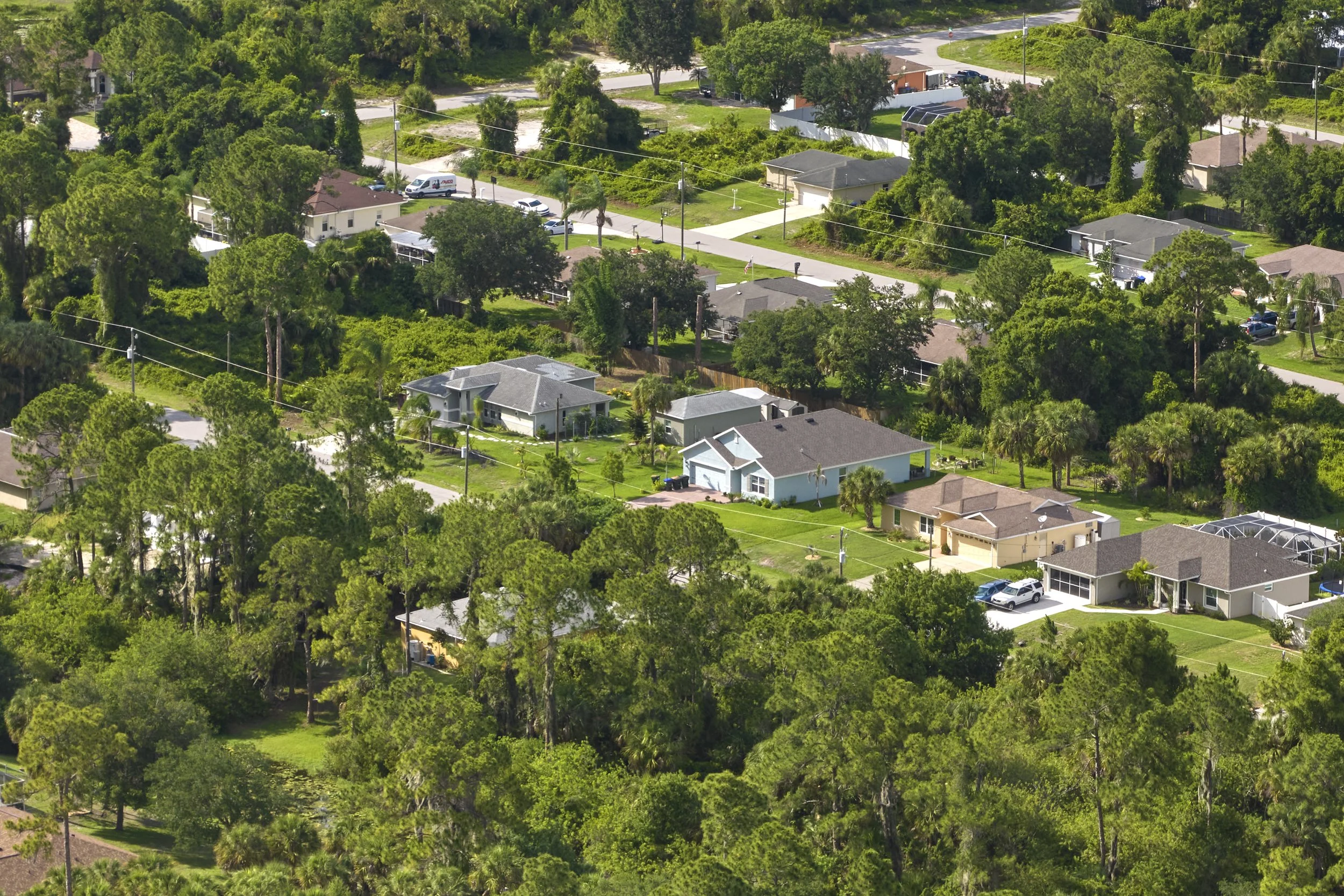
- Properties clustered in the same town get grouped into the same dispatch window whenever the calendar allows, so one trip out covers several stops instead of one.
- A full-property visit at one stop costs less per property than several small, separate call-outs spread across the season.
- Recurring clients get scheduling priority within their group's window, so a new one-off call doesn't bump an existing plan.
- One contact coordinates the whole portfolio, so a manager covering Avon, the Tri-Villages, and Hatteras Village isn't juggling five separate accounts.
- A property with clear equipment access costs less to service than one behind a gate where brush has to be carried out by hand.
- One full-property visit in a single stop costs less per property than the same work split across several separate call-outs.
- Distance from Altura's base in Frisco factors into every quote, which is part of why grouping recurring stops by town keeps costs down across a portfolio.
For a property manager handling more than one rental home, the schedule works best around geography, not around who called first.
For HOA boards
How Do Recurring Plans Work for HOA Common Areas Across Hatteras Island Communities?
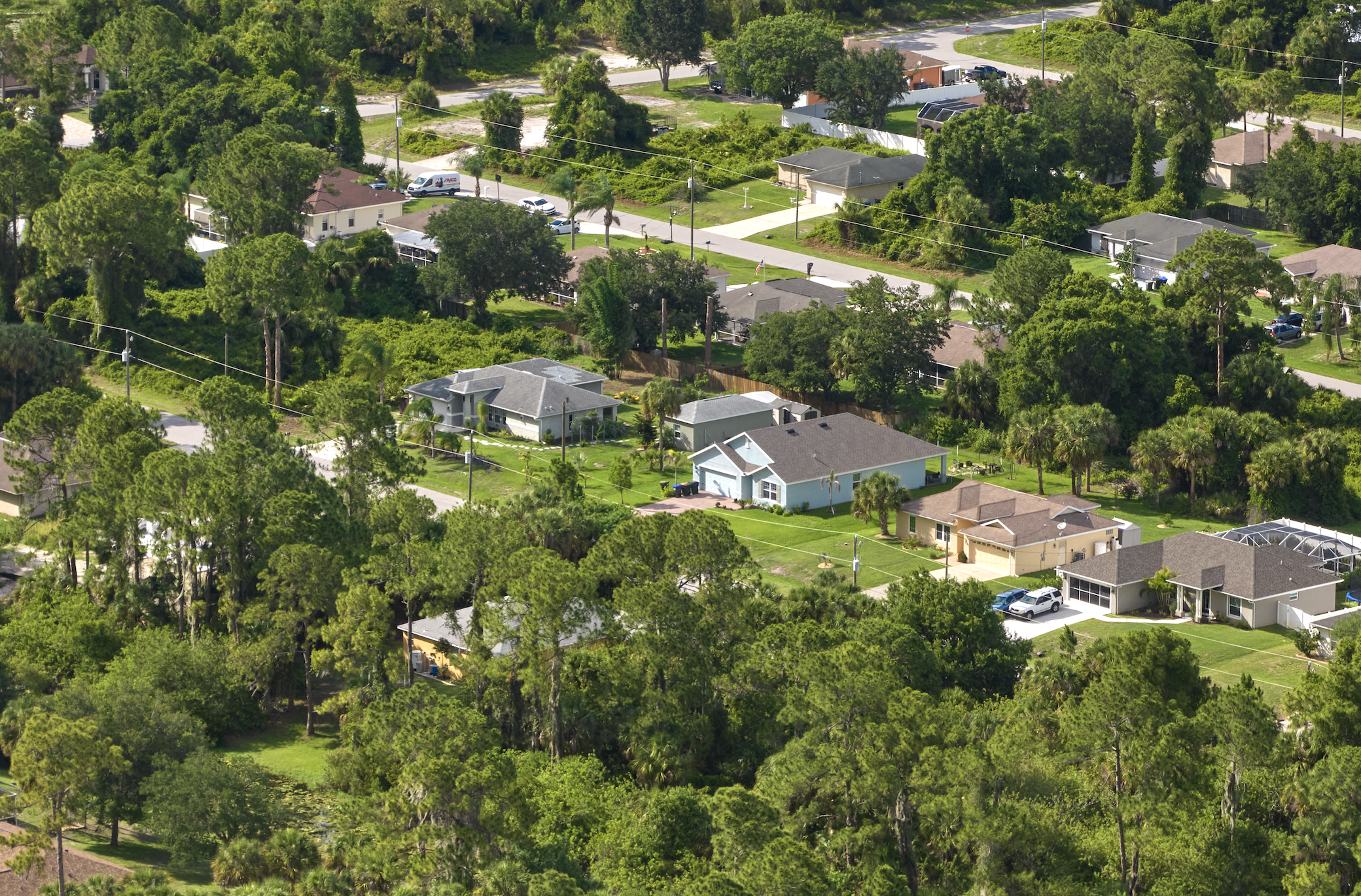
If you manage an HOA on Hatteras Island, tree work in common areas isn't just a landscaping call. Under North Carolina's Planned Community Act, the association is responsible for causing common elements to be maintained, repaired, and replaced when necessary, while each lot owner is responsible for the maintenance and repair of their own lot. That split matters for a recurring plan: the trees along a shared entrance, a common walking path, or an amenity area fall under the association's maintenance authority, and the statute gives the association the power to regulate the use, maintenance, repair, replacement, and modification of common elements directly.
This is a general summary of North Carolina's Planned Community Act, not legal advice. Check your community's declaration for specifics.
How Is Pricing Structured for a Recurring Maintenance Plan Versus a One-Time Visit?
Cost comes down to access, not the length of the job list.
- A property with clear equipment access costs less to service than one behind a gate where brush has to be carried out by hand.
- One full-property visit in a single stop costs less per property than the same work split across several separate call-outs.
- Distance from Altura's base in Frisco factors into every quote, which is part of why grouping recurring stops by town keeps costs down across a portfolio.
Does a recurring plan cost less than calling each time?
Not usually as a built-in discount. The savings come from catching problems while they're still small. Deadwood removed on a scheduled visit costs far less than the same tree once it's failed and becomes a storm call, and a crew that's already scheduled to be in the area avoids the mobilization cost of a separate one-off trip.
A recurring plan isn't a flat rate. It's the same access-based pricing logic applied consistently, visit after visit, instead of re-quoted from scratch every time.
Is a Recurring Maintenance Plan Worth It for a Single Rental Home, or Only for a Larger Portfolio?
A single rental home doesn't need portfolio-level dispatch. Most of what makes a recurring plan valuable here (grouped dispatch windows, one contact managing several accounts, syncing visits across town) only starts to matter once there's more than one property involved.
A recurring plan earns its keep once there's a portfolio to coordinate, or an HOA with common areas that need checking on a schedule the board sets rather than the calendar. If that's not where you are yet, start with a single property walkthrough instead.
Talk Through a Recurring Maintenance Plan for Your Properties
Altura already works as a vendor for property management companies and HOA boards across Hatteras Island. Setting up a recurring plan starts the same way every job does: a walkthrough, not a sales pitch.
Tell us how many properties or common areas you're managing and where. Altura will walk the first one, tell you honestly what it needs, and build the schedule around your actual portfolio instead of a standard package.
Talk Through a Recurring Plan for Your Properties
Frequently Asked Questions
-
For a single rental home, twice a year is usually enough. Quarterly makes more sense once you're managing a larger HOA common area or coordinating enough properties that the extra visits are worth scheduling around, rather than for one house on its own.
-
Not usually as a built-in discount. The savings come from catching problems while they're still small. Deadwood removed on a scheduled visit costs far less than the same tree once it's failed and become a storm call, and a crew that's already scheduled to be in the area avoids the mobilization cost of a separate one-off trip.
-
Recurring clients get priority scheduling for anything that comes up off-cycle, ahead of new one-off callers. It doesn't wait until the next scheduled visit if something's actually a problem.
-
Storm response is handled separately from the scheduled cadence. A recurring plan covers routine deadwood, canopy, and roofline work on a set schedule. If a storm brings something down between visits, that's covered on the Storm Damage Cleanup page.
-
Yes. Properties can be added or dropped from a plan as a portfolio grows or shrinks. The schedule gets rebuilt around whatever's actually being managed at the time, not locked to what it looked like on day one.
-
Yes, when a property manager or contact oversees both. The common areas and the individual homes get scheduled on their own cadence (HOA common areas often quarterly, individual rentals usually twice a year) but coordinated through the same point of contact.