Tree Removal, Trimming & Hazard Tree Service
Altura Tree OBX provides professional tree removal, hazard tree work, and trimming for Outer Banks homes and properties. Every job is planned around safety, property protection, and long-term land care, so the work solves the problem without creating a new one.
Tree Removal in the
Outer Banks
01 — TREE REMOVAL
Tree removal with Altura is about solving a problem without creating a new one.
On the Outer Banks, trees grow in sandy soil, deal with constant wind, and often sit close to homes and driveways. Removing one is not just about cutting it down. It is about controlling the outcome and what happens after.
Most companies haul everything away. That is one option.
But in the right situations, the material from the tree can be used on site to build up areas, support edges, or stabilize parts of the property instead of being removed.
That means less hauling, lower cost, and in some cases, you are not just removing a tree, you are improving the land at the same time.
What's included in professional
tree removal near your home
Removal based on size and complexity
From smaller trees to large, high-risk removals near structures, each job is approached differently depending on access, weight, and surroundings.
Fallen, dead, and leaning trees
Whether a tree has already come down or is starting to shift toward a structure, the focus is on removing it safely and without creating additional damage.
Sectional removal when needed
In tighter spaces, trees are taken down in controlled sections to protect the home, driveway, and surrounding property.
Site awareness from start to finish
Every job is planned around what matters most on your property, not just the tree
itself.
What happens to the wood, logs, and debris after tree removal?
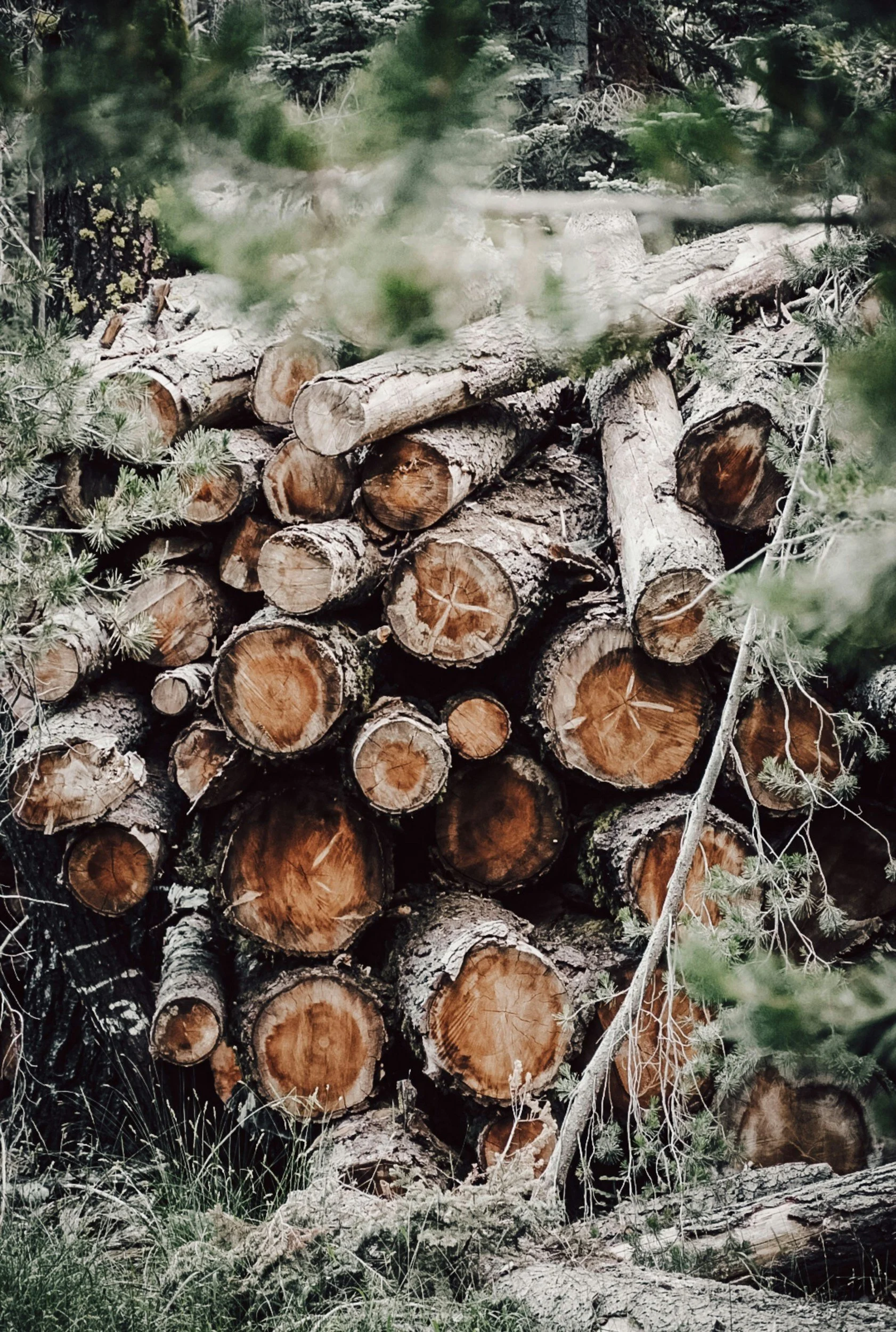
Hauling comes with added cost, time, and logistics.
In many situations, the material from the tree can be used right there on your property. Logs, branches, and wood chips are already being generated during the job. With proper planning and thought, they can be placed in areas that benefit from added structure or support instead of being loaded up and removed.
This approach can:
✓ Reduce disposal and hauling costs
✓ Eliminate unnecessary trucking and handling
✓ Create opportunities to improve parts of your property at the same time
This is something we touched on earlier, where the goal is not just to remove material, but to use it intentionally when it adds value.
A tree is not just something to remove. It is material that can be reused to support the land it came from.
It is a different way of thinking about the job. That is what makes Altura different from your average tree company.
Not every property needs it, and not every job is a fit. But when it is, tree removal becomes more than clearing space. It becomes a way to conserve and improve your land using what is already there.
Can removing trees actually improve your property instead of just clearing it?
A hazardous tree can look like a tree leaning toward the house, limbs hitting the roof during wind, or a tree that moves more than it should because shallow roots in sandy soil are losing their hold.
In the Outer Banks, constant wind, shifting sand, and shallow roots mean trees are less stable than they appear. When they fail, it usually happens all at once.
Handling a hazard tree early gives you control. The removal can be planned, the drop managed, and the property protected.
Waiting turns it into an emergency. Access gets harder, damage is already done, and costs go up.
What's included in professional tree removal near your home
02 — HAZARD TREE REMOVAL
How do you know if a tree is dangerous in high wind or storms?
Lean that is getting worse over time
A tree that is starting to angle toward the house or driveway is already shifting under load.
Dead or stressed limbs
Brittle, hanging, or overextended branches are often the first point of failure in wind.
Root instability in sandy soil
When the base of the tree begins to loosen or shift, the entire structure becomes unreliable.
Density that blocks airflow
Thick canopies catch more wind, increasing pressure on the trunk and major limbs.
Why coastal trees fail
faster than people expect
Trees in coastal environments do not have the same stability as inland trees.
Wind is constant, not occasional. Sandy soil does not hold roots the same way dense ground does. Over time, that combination reduces how well a tree can resist force.
When wind hits a dense canopy, it creates pressure that the tree has to absorb. If the root system cannot counter that force, failure happens quickly, not gradually.
What happens if you wait too long
to remove a hazard tree
DAMAGE
When failure happens on its own, it's uncontrolled and usually lands where you don't want it.
INSURANCE
Visible risk that is not addressed ahead of time can create issues if damage occurs later.
COST
Access is harder, timing is urgent, and cleanup is more complex after failure than before it.
03 — TREE TRIMMING & PRUNING
Tree trimming and pruning for
coastal properties
Tree trimming is where most long-term value comes from, even if it does not feel urgent. In the Outer Banks, trimming is less about shaping a tree and more about how it handles wind and interacts with your property.
Common scenarios include:
Roofline pruning
Keep branches off the house and
reduce pest access
View clearing
Open sightlines without removing the tree
Full pruning
Reduce weight, improve airflow, and remove weak limbs
“A maintained tree behaves predictably. An ignored tree becomes reactive.
Regular trimming keeps the work lighter, faster, and more controlled. Waiting turns it into a larger, more expensive correction.
Proper pruning allows wind to move through the canopy instead of pushing against it, reducing break risk and helping the tree last longer.
For most properties, trimming is not just about appearance. It is about reducing future risk while keeping the trees that make the space feel right.”
What does tree trimming do for your property long term?
Reduces excess weight on limbs
Less load means less strain on branches and a lower chance of breakage.Supports long-term tree health
Removing dead or overcrowded growth allows the tree to grow more predictably.Maintains the look and feel of the property
Clean, balanced trees improve visibility, light, and overall curb appeal.
Why trimming trees regularly costs less than waiting
Tree growth does not pause. It compounds.
If trimming is done consistently, each visit is lighter, faster, and more controlled. When it is delayed, growth becomes dense and overextended, turning a simple job into a larger, more expensive one.
It is the difference between maintaining something as it grows versus correcting it after it has gone too far.
Roofline pruning focuses on keeping branches away from the house.
Prevents physical damage
Limbs rubbing against roofing and siding wear materials down over time.Reduces access for pests
Branches close to the home give rodents and insects a direct path onto the roof.
Keeping that space clear protects both the structure and what is inside it.
What is roofline pruning and why does it matter?
Can trimming trees reduce storm damage risk?
Yes, when it is done correctly.
Better airflow reduces pressure
Wind moves through the tree instead of pushing against it.Balanced weight reduces weak points
Even load distribution lowers the chance of sudden limb failure.
Trimming does not eliminate risk, but it makes trees behave more predictably when conditions get rough.
Remove it, trim it, or leave it alone?
DECISION FRAMEWORK
Most properties do not need everything cut down. The decision comes down to what the tree is doing on your land right now — and what it is likely to do next.
REMOVE IT WHEN
The tree is leaning toward the house
It's shifting in the sand
It's showing signs it won't hold under wind
It's already creating risk to the structure
TRIM IT WHEN
The tree is still stable but creating pressure
Limbs are getting close to the roof
Canopy is dense enough to block airflow
Growth is heading where you don't want it
LEAVE IT ALONE WHEN
The tree is healthy and well-positioned
It's helping break wind for the property
It's stabilizing soil and reducing erosion
It's improving the space, not threatening it
What problems are coastal trees actually causing on your property?
Most of the trouble with trees on the Outer Banks comes from five things — none of which are obvious until something gives.
Wind loading in open exposure
Constant coastal wind pushes against the canopy, increasing stress on trunks and limbs — especially during storms.
Instability in sandy soil
Shallow, fast-draining
sand means roots don't anchor
as deeply, making trees more
prone to shifting or uprooting.
Salt exposure from ocean
air
Salt carried by wind weakens foliage over time, leading to dieback, brittle limbs, and
reduced tree health.
Roof and structure contact
Limbs brushing or resting on the house wear roofing, create pest entry points, and increase break risk in wind.
How tree removal is done safely and professionally
HOW REMOVAL ACTUALLY WORKS
01
Plan the job before anything is cut
Assess lean, weight, access, and what needs to be protected.
Every move is intentional — not improvised in the moment.
02
Control how the tree comes down
Sections are lowered or directed to avoid the house, driveway, and surrounding structures.
03
Stay fully insured while doing it
Proper coverage protects your property and the crew if something goes wrong. This isn't optional.
04
Clean the site completely
Debris is chipped, removed, or repurposed. You're not left with a pile of work to finish on your own.
05
Use what the job produces when it adds value
In the right situations, logs, branches, and chips can be repurposed on site to build up areas, support edges, or improve the land instead of hauling everything away.
06
Leave the property better than it was
Not just cleared, but stabilized, supported, and set up to perform better over time.
How can Altura Tree service save you money on other projects?
Sometimes the goal is not just removal or trimming, but using what is already on your property to improve it.
In the right situations, a tree can be taken down and repurposed to support the land instead of being hauled away. Logs, branches, and wood chips from the job are already there. That means we do not need to haul everything off, and you are not paying for that extra step.
Instead, that material can be used to:
Build up low or uneven areas
Support the edges of driveways or soft ground
Help stabilize parts of the property that are starting to wash out
This is how you go from removing a tree to actually rebuilding parts of your land.
Every property is different. The right call is not about doing more work. It is about doing the work that makes sense long term while improving your property.
When does it make sense to reuse logs and mulch on your property?
Slopes and soft ground
Areas that shift or settle benefit from added structure.Property lines and edges
Useful for building up natural separation or support.Erosion-prone zones
Helps hold material in place where water or wind is wearing it away.Landscaping upgrades
Can be used to shape and improve the layout of the space over time.
Not every job is a fit, but when it is, you are already sitting on the material needed to improve your property.
Why Altura is not the cheapest option —and why that matters
Lower pricing in this industry usually means something is being skipped.
We carry full insurance, plan every job around safety, and leave your property clean when the work is done. That takes time, equipment, and the right crew.
You are not paying for speed. You are paying for work that protects your property and holds up long term.
Your Questions, Answered
-
It depends on size, access, and risk. Trees near homes or in tight spaces require more planning and control. Smaller jobs may be a few hundred dollars, while larger or more complex removals can be significantly higher.
-
If the tree is stable and the issue is overgrowth or proximity, trimming is usually the right call. If the tree is leaning, unstable, or likely to fail, removal becomes the safer option.
-
No. In some cases, logs, branches, and wood chips can be reused on your property instead of hauled away. This can reduce cost and improve parts of the land at the same time.
-
Yes. When material is reused on site, it can be used to build up low areas, support edges, and help stabilize sections of the property that are washing out.
-
Common signs include leaning toward the structure, limbs hitting the roof, dead or stressed branches, and movement at the base caused by unstable soil.
-
If a tree is showing signs of risk, handling it before storms gives you control. Waiting increases the chance of damage and turns it into an emergency situation.
-
Yes. Proper trimming improves airflow and reduces weight in the canopy, which lowers the chance of limbs breaking during high wind.
-
Most estimates are done on site to properly assess risk, access, and scope. In some cases, photos can be used for initial guidance.
-
Yes. Many customers are remote property owners. Work can be scheduled, completed, and documented without you needing to be there.
-
Avoid the area and call a professional. Trees under tension can shift unexpectedly, and handling them without the right equipment is dangerous.
Talk with someone who
understands your property — not
just your trees
Every property has different priorities.
Some issues need to be handled now. Others can be managed over time. The goal is to help you understand what matters first, what can wait, and what makes sense for your property.
No pressure. Just clarity on the right next step.
Or Call (252) 995 - 2965